There is a family who regularly attends storytime: a mom, 4-year-old twins, and a toddler who is about 2. The twins, one boy and one girl, are incredibly smart and advanced for their age. The boy could sit down and read an entire picture book from cover to cover when he was three. They are also pretty calm and reserved, preferring to stay on mom's lap or on the outskirts of the group when we sing and dance in storytime.
On Wednesday, the whole family came to Toddlertime, which once again includes a 15-minute toy session at the end. When clean-up was finished the boy twin came up to me with a very concerned look on his face. I knelt to his level and held both of my hands out. He placed one hand in each of mine, very delicately. I asked him what was wrong.
"UM," he said. "I only got to pick up one thing. I wanted to pick up lots of things."
From getting to know this family over the last year, I know it's extra important to this little guy that he has items and experiences that are just his own, because he has to share so much with his twin sister. I told him that if he came back on Friday (today) for Shake, Boogie, and Bop, he could be an extra good cleaner-upper when we played with egg shakers.
Flash forward to today. The Shake, Boogie, and Bop group were fairly raucous. We didn't get to the point in the program where I would have brought out the egg shakers, and I'm glad we didn't, because there were some older boys in there and I was having psychic visions of egg shakers being hurled full-throttle at their brothers' heads. The twins, their baby sister, and their mom were exemplary storytime goers as usual. After we sang our goodbye song and had bubbles, most of the crowd left, but this family stayed behind to chat as they sometimes do.
I brought out the box of egg shakers and set it on the floor. I asked the boy if he would help me sort the shakers and put them back in their box, since we didn't get a chance to use them in class. He and both of his sisters excitedly organized the shakers by color on the floor, then gingerly placed each one back in their bin.
Before they left, I asked him if this satisfied his urge to put away lots of things. He answered with an uncharacteristic yelp of "YES!" He was, however, not nearly as enthusiastic when I suggested he tell his mom he wanted to help clean up lots of things at home, too.
Showing posts with label encouragement. Show all posts
Showing posts with label encouragement. Show all posts
Friday, May 25, 2018

Thursday, November 9, 2017
Write Your Own Picture or Comic Book - Week Two
This is week two of a four-week writing program for tweens age 8-12.
Week One
Week Three
Week Four
Last week we had four extra kiddos who didn't sign up, and today we had five more! While we can technically turn people away from an event when they have not registered, I hate to tell anyone they can't participate in a library program. Counting some parents who wanted to stick around and watch, we filled our tiny room with twenty people not including myself! All twelve laptops were out and running, with sibling sets sharing again.
Our icebreaker today was another Wacky Web Tale from Eduplace. Today's puzzle was called "Could it Really Happen," and since we used it as an ice breaker, I asked that each child fill in their own name for "friend." They worked on it for 15 minutes, then had a chance to share with the group.


After everyone shared, I brought attention to how different every single story was. Even though they all filled out the same form, the adjectives and nouns and verbs they chose made them completely different stories! This point segued nicely into the next activity of the day, learning about plot structure.
I doctored up this image to include definitions, and then shared it with them on a PowerPoint:

I picked five readers, and had each one read a different definition out loud to the rest of the group. Then, I asked each of them to think about a story they had read lately, and fill in the plot points to each definition. One of the kids was really excited about the book Wonder by RJ Palacio, so I asked him to go through each point in the plot diagram and tell me which parts of the story match up. He came up with:
Exposition: Augie has had a lot of surgeries because of a facial deformity, and has never been to real school.
Rising Action: His parents decide to send him to school, where he meets some kids who are nice and others who are bullies.
Climax: He finds out that one kid who he thought was a friend is actually a bully, and makes fun of Auggie behind his back.
Falling Action: With the help of his friend Summer, Auggie thinks about how everyone should just choose to be kind to one another. His "bully" friend apologizes and they become friends again.
Resolution: The school year ends, and some of the kids show they have learned to become a little kinder through their made-up precepts assigned by their teacher.
After this completely stellar example, I set the kids free with laptops, pencils, and notepads, with instructions to come up with their own story that fits into these five plot points. It could be a true story, something that has happened to them, or something they made up. A couple of the kids had some trouble getting started, but for the most part they were able to fit the happenings of their story into these boxes. I'm excited that they all seemed to understand the concept as they worked on their stories!
Week One
Week Three
Week Four
Last week we had four extra kiddos who didn't sign up, and today we had five more! While we can technically turn people away from an event when they have not registered, I hate to tell anyone they can't participate in a library program. Counting some parents who wanted to stick around and watch, we filled our tiny room with twenty people not including myself! All twelve laptops were out and running, with sibling sets sharing again.
Our icebreaker today was another Wacky Web Tale from Eduplace. Today's puzzle was called "Could it Really Happen," and since we used it as an ice breaker, I asked that each child fill in their own name for "friend." They worked on it for 15 minutes, then had a chance to share with the group.


After everyone shared, I brought attention to how different every single story was. Even though they all filled out the same form, the adjectives and nouns and verbs they chose made them completely different stories! This point segued nicely into the next activity of the day, learning about plot structure.
I doctored up this image to include definitions, and then shared it with them on a PowerPoint:

I picked five readers, and had each one read a different definition out loud to the rest of the group. Then, I asked each of them to think about a story they had read lately, and fill in the plot points to each definition. One of the kids was really excited about the book Wonder by RJ Palacio, so I asked him to go through each point in the plot diagram and tell me which parts of the story match up. He came up with:
Exposition: Augie has had a lot of surgeries because of a facial deformity, and has never been to real school.
Rising Action: His parents decide to send him to school, where he meets some kids who are nice and others who are bullies.
Climax: He finds out that one kid who he thought was a friend is actually a bully, and makes fun of Auggie behind his back.
Falling Action: With the help of his friend Summer, Auggie thinks about how everyone should just choose to be kind to one another. His "bully" friend apologizes and they become friends again.
Resolution: The school year ends, and some of the kids show they have learned to become a little kinder through their made-up precepts assigned by their teacher.
After this completely stellar example, I set the kids free with laptops, pencils, and notepads, with instructions to come up with their own story that fits into these five plot points. It could be a true story, something that has happened to them, or something they made up. A couple of the kids had some trouble getting started, but for the most part they were able to fit the happenings of their story into these boxes. I'm excited that they all seemed to understand the concept as they worked on their stories!
Thursday, November 2, 2017
Write Your Own Picture or Comic Book - Week One
This is week one of a four-week writing program for tweens age 8-12.
Week Two
Week Three
Week Four
I required registration for this program, because there is a limited amount of space where we held it. Also, I decided partway through the planning that we would be using laptops, and my library only owns twelve laptops.
As of yesterday, the registration was full at twelve participants plus two on the waiting list. Ten of the registered kids showed up, plus four that I was not expecting. Even though two were without laptops, there were chairs for everyone so I invited them all inside.
Our first activity was on Houghton Mifflin Harcourt's website Eduplace, and was basically an online version of MadLibs called Wacky Web Tales. With two sets of siblings sharing a laptop, I challenged the kids to find the website and then fill out the tale entitled "The Box." Since we used this as an ice breaker activity, I told them that their own name had to appear somewhere in their tale. They had 15 minutes to fill it out, then we went around and shared.
For the rest of the session, I let them work on their choice of two websites: Story Jumper or Storyboard That. Story Jumper presented the unexpected complication of needing users under 12 to go through a long and involved process to get parent permission to use the website, so most of the kids ended up on Storyboard That for today. They had a great time making their own comic strips, and exploring the website. Here is my example strip that I created on Storyboard That:

I feel that it's important to let tweens and even older elementary schoolers explore the internet in an only somewhat structured environment. This way their activity can still be monitored, but they figure out how to browse and make things happen on their own. I originally had a more regimented lesson plan for today, but because it was the first session, I thought it would be fun for them to look at character and setting options without putting too much pressure on the session.
Week Two
Week Three
Week Four
I required registration for this program, because there is a limited amount of space where we held it. Also, I decided partway through the planning that we would be using laptops, and my library only owns twelve laptops.
As of yesterday, the registration was full at twelve participants plus two on the waiting list. Ten of the registered kids showed up, plus four that I was not expecting. Even though two were without laptops, there were chairs for everyone so I invited them all inside.
Our first activity was on Houghton Mifflin Harcourt's website Eduplace, and was basically an online version of MadLibs called Wacky Web Tales. With two sets of siblings sharing a laptop, I challenged the kids to find the website and then fill out the tale entitled "The Box." Since we used this as an ice breaker activity, I told them that their own name had to appear somewhere in their tale. They had 15 minutes to fill it out, then we went around and shared.


For the rest of the session, I let them work on their choice of two websites: Story Jumper or Storyboard That. Story Jumper presented the unexpected complication of needing users under 12 to go through a long and involved process to get parent permission to use the website, so most of the kids ended up on Storyboard That for today. They had a great time making their own comic strips, and exploring the website. Here is my example strip that I created on Storyboard That:

I feel that it's important to let tweens and even older elementary schoolers explore the internet in an only somewhat structured environment. This way their activity can still be monitored, but they figure out how to browse and make things happen on their own. I originally had a more regimented lesson plan for today, but because it was the first session, I thought it would be fun for them to look at character and setting options without putting too much pressure on the session.
Thursday, September 21, 2017
Make a Sensory Jar
I got a completely unexpected age group for this program. Scheduling on a weekday morning, I guess I should have realized that the majority of my participants would be under 5 with parents, but I didn't think they would be mostly under three! Even though the project ended up needing more parent help than originally anticipated, we had a lot of fun and the kids left with gorgeous glitter jars.
The point of this workshop was to learn how to make a sensory jar. Even if you don't recognize this craft by name, I'm sure you've seen them if you are even a little bit active on Pinterest, Instagram, Facebook, or if you just plain don't live under a rock. They're also called glitter jars, calm down jars, and about a hundred other names. You fill them up with water, glitter glue, and small objects like sequins or buttons, and then shake them up and watch (hopefully mesmerized) as all the stuff inside settles back down. I wanted to hold this workshop because they are gorgeous but can be difficult to make, and I know they would come in handy with a lot of parents and caregivers.

Time-out timer
Shake it up, and sit in time-out until the jar is completely settled. Great for preschoolers.
Sensory exercises
Make several jars with different objects inside, or varying color schemes. Encourage children to play with them as a form of sensory play. Safe and non-messy, this kind of free form exercise allows children to make sense of how they experience the world through their senses of sight, touch, movement, and balance. Great for children with sensory issues such as an aversion to getting their hands dirty.
Experiencing small objects
Very small children do not often get to use tiny toys because of choking hazards. These jars give them a chance to play with tiny toys safely. Children under 3 can play with their jar and experience tiny toys such as beads, buttons, and loose glitter in a way that is neither harmful nor messy!
Home science lesson
Why do some of the items float and others sink to the bottom? Do the items and glitter in the jar move more quickly in a jar filled with mostly water, or mostly glue? Make a hypothesis. Test it by making several jars with different objects and liquid consistencies in each one. Read science books or websites to find out about density. Come to a scientific conclusion based on your research. Investigate the scientific process while creatively exploring arts and crafts. Excellent exposure to the scientific method for all ages!
Explore all the different ways you can make a sensory jar by searching the internet with phrases such as “glitter jar,” “sensory jar,” “calm down jar,” “discovery bottle,” or “sensory bottle.” There are hundreds of resources out there, and thousands of ways to play and learn!
The point of this workshop was to learn how to make a sensory jar. Even if you don't recognize this craft by name, I'm sure you've seen them if you are even a little bit active on Pinterest, Instagram, Facebook, or if you just plain don't live under a rock. They're also called glitter jars, calm down jars, and about a hundred other names. You fill them up with water, glitter glue, and small objects like sequins or buttons, and then shake them up and watch (hopefully mesmerized) as all the stuff inside settles back down. I wanted to hold this workshop because they are gorgeous but can be difficult to make, and I know they would come in handy with a lot of parents and caregivers.
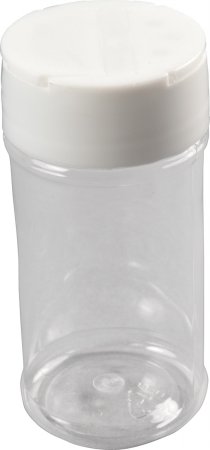
Because I work at the public library and we don't have a budget for full size Voss water bottles and enough stuff to fill them, I ordered twelve 3 ounce plastic spice jars and limited registration to twelve families. The plastic jars were three or four inches tall, and ended up being the perfect size for the little ones to grasp.
I laid out glitter glue, loose glitter, sequins, buttons, and heated up a hot glue gun (kept far away from tiny fingers). I also had a kettle of warm water on standby, because glitter glue melts better in warm water. However, the water started off too hot and some of the jars got a little disfigured. Just a little; no leaking, and it was a learning experience.
In addition to making the tiny jars, I sent everyone home with directions that I downloaded from Good to Know, a UK-based crafting blog. I also printed out a simple word document detailing a few of the many uses for a sensory jar at home:
Calm down
Shake it up to get some anger out. Then sit quietly and watch it swirl until all the glitter, water, and objects are still. As the bottle clears, so does the mind. Great for all ages of children and adults.Time-out timer
Shake it up, and sit in time-out until the jar is completely settled. Great for preschoolers.
Sensory exercises
Make several jars with different objects inside, or varying color schemes. Encourage children to play with them as a form of sensory play. Safe and non-messy, this kind of free form exercise allows children to make sense of how they experience the world through their senses of sight, touch, movement, and balance. Great for children with sensory issues such as an aversion to getting their hands dirty.
Experiencing small objects
Very small children do not often get to use tiny toys because of choking hazards. These jars give them a chance to play with tiny toys safely. Children under 3 can play with their jar and experience tiny toys such as beads, buttons, and loose glitter in a way that is neither harmful nor messy!
Home science lesson
Why do some of the items float and others sink to the bottom? Do the items and glitter in the jar move more quickly in a jar filled with mostly water, or mostly glue? Make a hypothesis. Test it by making several jars with different objects and liquid consistencies in each one. Read science books or websites to find out about density. Come to a scientific conclusion based on your research. Investigate the scientific process while creatively exploring arts and crafts. Excellent exposure to the scientific method for all ages!
Explore all the different ways you can make a sensory jar by searching the internet with phrases such as “glitter jar,” “sensory jar,” “calm down jar,” “discovery bottle,” or “sensory bottle.” There are hundreds of resources out there, and thousands of ways to play and learn!
Of the twelve families who signed up to attend this program, only six showed up. However, all the families had two children with them, so instead of one jar per family, we were able to make one jar per child!
Some crafters say Voss brand water bottles (glass or plastic) are best for making sensory jars, but others swear by Mason jars or plain old water bottles. I used a glass Voss bottle for my large example, because we happened to have an unclaimed one in the lost and found. I put glitter glue, loose glitter, and buttons inside. The objects all settle at different times which is really satisfying.
Here is a look at my large sensory jar that I made as an example of what they could make at home, as well as one that one of the kids made during the workshop. The small one contains glitter glue, loose glitter, and sequins.
 |
| Small jar, shaken up |
 |
| Large jar, settled |
 |
| Large jar, shaken up |
Friday, September 8, 2017
Make a Grandparents Day Card
In preparation for Grandparents Day on Sunday, September 10th, I thought it would be great to give our kids the opportunity to make a card for a grandparent or other loved one. So today being the Friday before, I set out some art supplies and encouraged everyone to make their own card!
I made some examples and displayed them at the entrance, in case any of the kids were stuck on where to begin or needed some inspiration.


Unfortunately I wasn't able to get pictures of anyone's finished product besides mine, but we had some great ones.
I'm excited about the high participant count for this program for several reasons: One, it shows that Friday afternoon is a good time for all-ages children's programs, when this was previously written off as a dead time. Two, it gives kids who might not have the supplies at home an opportunity to make cards for their loved ones. Three, it gives kids who might have the supplies but not as much inclination to be creative a fun environment with ready-made ideas and a group of their peers already making things. Those who might not want to do arts and crafts at home might have figured out that the public library is just the place for it! I'm looking forward to a lot more drop-in crafts on Friday afternoons to come.
I made some examples and displayed them at the entrance, in case any of the kids were stuck on where to begin or needed some inspiration.


Unfortunately I wasn't able to get pictures of anyone's finished product besides mine, but we had some great ones.
I'm excited about the high participant count for this program for several reasons: One, it shows that Friday afternoon is a good time for all-ages children's programs, when this was previously written off as a dead time. Two, it gives kids who might not have the supplies at home an opportunity to make cards for their loved ones. Three, it gives kids who might have the supplies but not as much inclination to be creative a fun environment with ready-made ideas and a group of their peers already making things. Those who might not want to do arts and crafts at home might have figured out that the public library is just the place for it! I'm looking forward to a lot more drop-in crafts on Friday afternoons to come.
Wednesday, July 12, 2017
Book Notes
This is a program I put together as a drop-in for teens and tweens, but it would have been applicable for readers of any age. The goal was to write inspirational notes that we will leave in books in the Young Adult section, especially books with difficult themes such as suicide, drugs, abuse, rape, and difficult LGBTQ+ issues. It was a really easy one to put together, and well-received by out summer visitors, especially a group of teen volunteers.
Here are some of the many amazing messages the teens wrote, on the template I made so they can be recognized by our staff as a piece of a library-sanctioned program:

They had a good time coming up with encouraging, funny, and uplifting messages to add to our circulating library books.
I will be making color photocopies of the originals and replenishing the supply in our YA section every few months. I kept the originals so that they will not get damaged in circulation, and I always have them to refer back to.
Here are some of the many amazing messages the teens wrote, on the template I made so they can be recognized by our staff as a piece of a library-sanctioned program:

They had a good time coming up with encouraging, funny, and uplifting messages to add to our circulating library books.
I will be making color photocopies of the originals and replenishing the supply in our YA section every few months. I kept the originals so that they will not get damaged in circulation, and I always have them to refer back to.
Subscribe to:
Posts (Atom)
-
Hello again! I had the best intentions of making today's storytime desert/summertime theme. I succeeded with the books, but not so m...
-
 After saying hello to all our friends this morning, our first story was I Got the Rhythm by Connie Schofield-Morrison. I love this book ...
 -
In the last two weeks of December, my library system traditionally does not hold storytimes because of low attendance. A lot of people are ...

