The point of this workshop was to learn how to make a sensory jar. Even if you don't recognize this craft by name, I'm sure you've seen them if you are even a little bit active on Pinterest, Instagram, Facebook, or if you just plain don't live under a rock. They're also called glitter jars, calm down jars, and about a hundred other names. You fill them up with water, glitter glue, and small objects like sequins or buttons, and then shake them up and watch (hopefully mesmerized) as all the stuff inside settles back down. I wanted to hold this workshop because they are gorgeous but can be difficult to make, and I know they would come in handy with a lot of parents and caregivers.

Because I work at the public library and we don't have a budget for full size Voss water bottles and enough stuff to fill them, I ordered twelve 3 ounce plastic spice jars and limited registration to twelve families. The plastic jars were three or four inches tall, and ended up being the perfect size for the little ones to grasp.
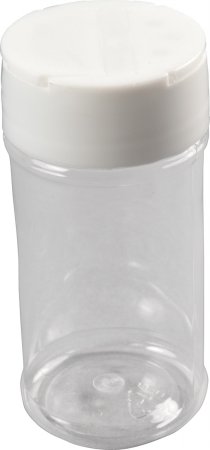
I laid out glitter glue, loose glitter, sequins, buttons, and heated up a hot glue gun (kept far away from tiny fingers). I also had a kettle of warm water on standby, because glitter glue melts better in warm water. However, the water started off too hot and some of the jars got a little disfigured. Just a little; no leaking, and it was a learning experience.
In addition to making the tiny jars, I sent everyone home with directions that I downloaded from Good to Know, a UK-based crafting blog. I also printed out a simple word document detailing a few of the many uses for a sensory jar at home:
Calm down
Shake it up to get some anger out. Then sit quietly and watch it swirl until all the glitter, water, and objects are still. As the bottle clears, so does the mind. Great for all ages of children and adults.Time-out timer
Shake it up, and sit in time-out until the jar is completely settled. Great for preschoolers.
Sensory exercises
Make several jars with different objects inside, or varying color schemes. Encourage children to play with them as a form of sensory play. Safe and non-messy, this kind of free form exercise allows children to make sense of how they experience the world through their senses of sight, touch, movement, and balance. Great for children with sensory issues such as an aversion to getting their hands dirty.
Experiencing small objects
Very small children do not often get to use tiny toys because of choking hazards. These jars give them a chance to play with tiny toys safely. Children under 3 can play with their jar and experience tiny toys such as beads, buttons, and loose glitter in a way that is neither harmful nor messy!
Home science lesson
Why do some of the items float and others sink to the bottom? Do the items and glitter in the jar move more quickly in a jar filled with mostly water, or mostly glue? Make a hypothesis. Test it by making several jars with different objects and liquid consistencies in each one. Read science books or websites to find out about density. Come to a scientific conclusion based on your research. Investigate the scientific process while creatively exploring arts and crafts. Excellent exposure to the scientific method for all ages!
Explore all the different ways you can make a sensory jar by searching the internet with phrases such as “glitter jar,” “sensory jar,” “calm down jar,” “discovery bottle,” or “sensory bottle.” There are hundreds of resources out there, and thousands of ways to play and learn!
Of the twelve families who signed up to attend this program, only six showed up. However, all the families had two children with them, so instead of one jar per family, we were able to make one jar per child!
Some crafters say Voss brand water bottles (glass or plastic) are best for making sensory jars, but others swear by Mason jars or plain old water bottles. I used a glass Voss bottle for my large example, because we happened to have an unclaimed one in the lost and found. I put glitter glue, loose glitter, and buttons inside. The objects all settle at different times which is really satisfying.
Here is a look at my large sensory jar that I made as an example of what they could make at home, as well as one that one of the kids made during the workshop. The small one contains glitter glue, loose glitter, and sequins.
 |
| Small jar, shaken up |
 |
| Large jar, settled |
 |
| Large jar, shaken up |


No comments:
Post a Comment