Thursday, September 21, 2017

Make a Sensory Jar

I got a completely unexpected age group for this program. Scheduling on a weekday morning, I guess I should have realized that the majority of my participants would be under 5 with parents, but I didn't think they would be mostly under three! Even though the project ended up needing more parent help than originally anticipated, we had a lot of fun and the kids left with gorgeous glitter jars.

The point of this workshop was to learn how to make a sensory jar. Even if you don't recognize this craft by name, I'm sure you've seen them if you are even a little bit active on Pinterest, Instagram, Facebook, or if you just plain don't live under a rock. They're also called glitter jars, calm down jars, and about a hundred other names. You fill them up with water, glitter glue, and small objects like sequins or buttons, and then shake them up and watch (hopefully mesmerized) as all the stuff inside settles back down. I wanted to hold this workshop because they are gorgeous but can be difficult to make, and I know they would come in handy with a lot of parents and caregivers.

Image result for sensory glitter jar

Because I work at the public library and we don't have a budget for full size Voss water bottles and enough stuff to fill them, I ordered twelve 3 ounce plastic spice jars and limited registration to twelve families. The plastic jars were three or four inches tall, and ended up being the perfect size for the little ones to grasp.
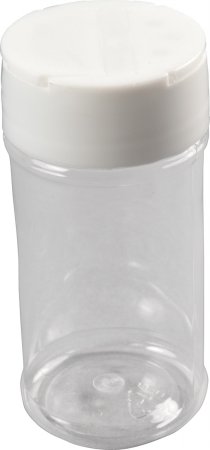
Image result for amazon plastic spice jar 3 oz

I laid out glitter glue, loose glitter, sequins, buttons, and heated up a hot glue gun (kept far away from tiny fingers). I also had a kettle of warm water on standby, because glitter glue melts better in warm water. However, the water started off too hot and some of the jars got a little disfigured. Just a little; no leaking, and it was a learning experience.

In addition to making the tiny jars, I sent everyone home with directions that I downloaded from Good to Know, a UK-based crafting blog. I also printed out a simple word document detailing a few of the many uses for a sensory jar at home:

Calm down
Shake it up to get some anger out. Then sit quietly and watch it swirl until all the glitter, water, and objects are still. As the bottle clears, so does the mind. Great for all ages of children and adults.

Time-out timer
Shake it up, and sit in time-out until the jar is completely settled. Great for preschoolers.

Sensory exercises
Make several jars with different objects inside, or varying color schemes. Encourage children to play with them as a form of sensory play. Safe and non-messy, this kind of free form exercise allows children to make sense of how they experience the world through their senses of sight, touch, movement, and balance. Great for children with sensory issues such as an aversion to getting their hands dirty.

Experiencing small objects
Very small children do not often get to use tiny toys because of choking hazards. These jars give them a chance to play with tiny toys safely. Children under 3 can play with their jar and experience tiny toys such as beads, buttons, and loose glitter in a way that is neither harmful nor messy!

Home science lesson

Why do some of the items float and others sink to the bottom? Do the items and glitter in the jar move more quickly in a jar filled with mostly water, or mostly glue? Make a hypothesis. Test it by making several jars with different objects and liquid consistencies in each one. Read science books or websites to find out about density. Come to a scientific conclusion based on your research. Investigate the scientific process while creatively exploring arts and crafts. Excellent exposure to the scientific method for all ages!

Explore all the different ways you can make a sensory jar by searching the internet with phrases such as “glitter jar,” “sensory jar,” “calm down jar,” “discovery bottle,” or “sensory bottle.” There are hundreds of resources out there, and thousands of ways to play and learn!


Of the twelve families who signed up to attend this program, only six showed up. However, all the families had two children with them, so instead of one jar per family, we were able to make one jar per child! 

Some crafters say Voss brand water bottles (glass or plastic) are best for making sensory jars, but others swear by Mason jars or plain old water bottles. I used a glass Voss bottle for my large example, because we happened to have an unclaimed one in the lost and found. I put glitter glue, loose glitter, and buttons inside. The objects all settle at different times which is really satisfying. 

Here is a look at my large sensory jar that I made as an example of what they could make at home, as well as one that one of the kids made during the workshop. The small one contains glitter glue, loose glitter, and sequins. 

Small jar, shaken up

Large jar, settled

Large jar, shaken up

Tuesday, September 12, 2017

Baby Lapsit 9-12-17

Hello again!

(Look how clever I am. Click that link to see my usual hello/goodbye for the babies.)

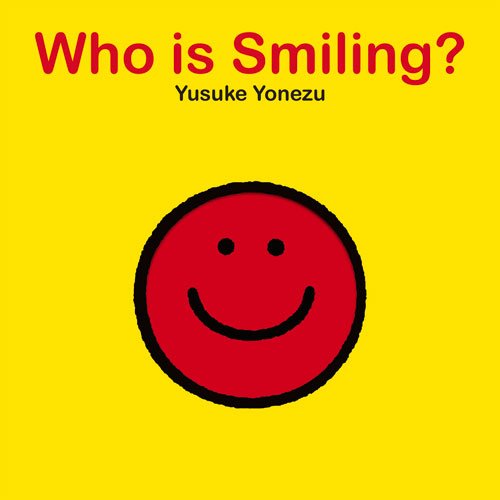
Our first story today was Who is Smiling? by Yusuke Yonezu. Like the last few board book authors I've discovered, Yonezu has several books with similar art, all of which are simple and great for readers under two. I'm starting to think board books are an underappreciated literary art.

Image result for Who is Smiling? by Yusuke Yonezu

Our lap bounce portion began, as always, with "Bumpy Road." Grownups are instructed to seat their baby facing forward on their laps and bounce along with me as I demonstrate with a roughly baby-sized teddy bear. Here is the chant:

Bumpy road, bumpy road. (Bounce baby on lap)
Smooth road, smooth road. (Move baby smoothly back and forth)
Bumpy road, bumpy road. (Bounce baby on lap)
Smooth road, smooth road. (Move baby smoothly back and forth)
Rough road, rough road! (Bounce baby higher than before)
Bumpy road, bumpy road. (Bounce baby on lap)
Rough road, rough road! (Bounce baby higher than before)
Hole! (Hold baby under armpits and let them fall between your legs)

Next were two of my favorites, "Hurry, Hurry, Drive That Firetruck" and "Noble Duke of York."


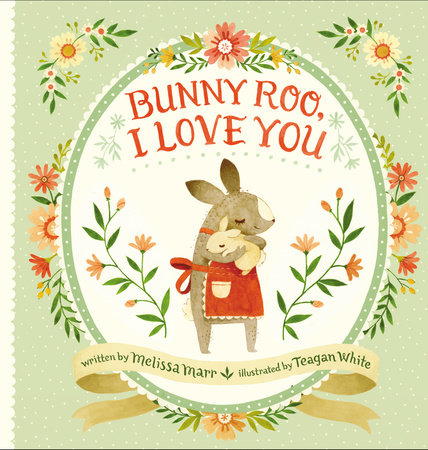
Our second story was one I found in our branch's storytime collection, Bunny Roo, I Love You by Melissa Marr. In Baby Lapsit especially, my two favorite story subjects are love and diversity. This one covers love in a very sweet and simple way.

Image result for bunny roo i love you melissa marr

Our last movement song of the day before saying goodbye was "Wheels on the Bus." Always a fun song for kids, and an opportunity to talk about anything from transportation, to talking to strangers, to the sound a muffler makes (spoiler alert: it sounds an awful lot like a zerbert).

Click here to listen to the version I use.

Preschool Storytime 9-12-17

After saying hello to all our friends this morning, our first story was I Got the Rhythm by Connie Schofield-Morrison. I love this book as a storytime pick for a several reasons. First, it's got jaunty illustrations. Second, I don't see a lot of picture books in the mainstream that have main characters of color, and I'm all about representation of all races in literature that young kids will see. Third, we repeated each rhythm as it was read aloud, and made up our own dances to go with them, which was a fun and interactive way to enjoy the book. 

Next we sang my favorite version of "Happy and You Know It" by Mr. Jon. In addition to clapping hands and stomping feet, we get to tickle our friends or parents.


Our second movement song was "I'm A Little Teapot," which everyone knows the dance to. The version I use also has "Two Little Blackbirds," which is a fun fingerplay that preschoolers have fun following along with.

To give you an idea what "Two Little Blackbirds" is if you've never heard of it, here are the amazing Jbrary ladies doing all 9 verses that they use. If you listen to my version you'll hear that we only use the first one, but their movements are exactly what I do in my storytimes.


I once again used "The Hippo on the Bus" as a transition song, mostly because some cuties who were there last week asked if we could do it again. I demonstrated it once, and then encouraged both kids and grownups to keep time by hitting their knees with open palms and chant with me as we did it two more times.

A hip, a hip, a hippotomous
Got on, got on, got on the city bus
And all, and all, and all the people fussed...
STOP SQUISHING US!
(On that last line, squish your cheeks in from both sides so your mouth looks funny and speech is distorted, as if you were being squished by a hippo)

Our second story today was I Wish I Could Fly by Ron Maris. The main character, a turtle, wishes he could do things just as well as all his friends, like fly like a bird or swim like a fish. But at the end he realizes that he also has special talents, and everyone is unique because everyone is different. 

Image result for book i wish i could fly maris

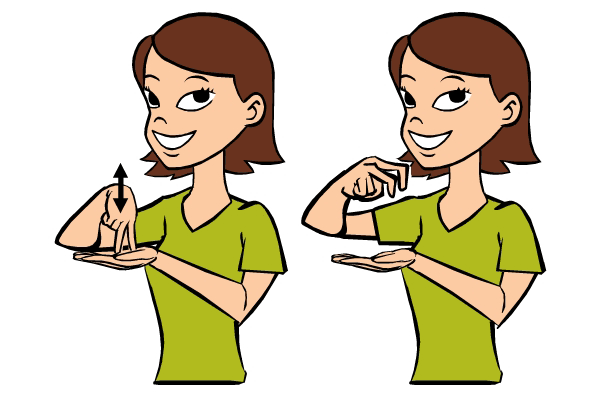
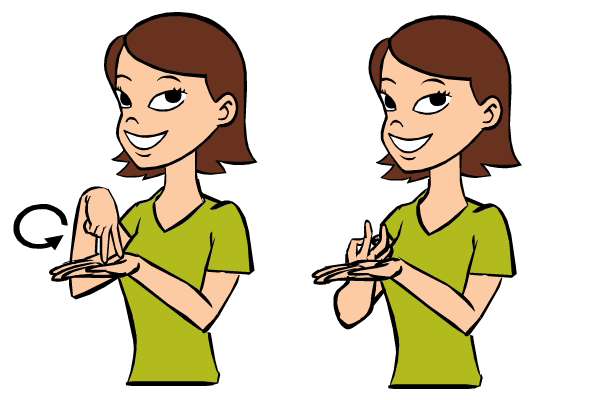
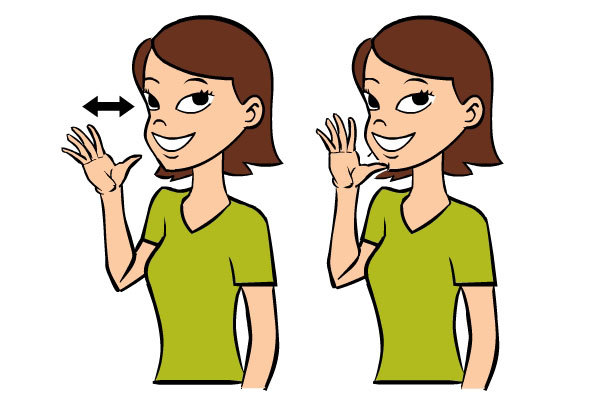
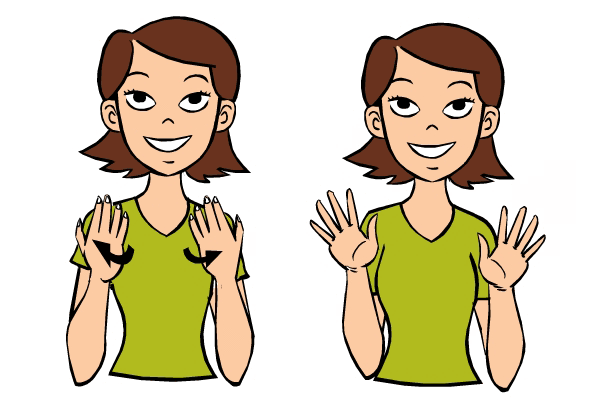
Our last song before saying goodbye to our friends was "Five Little Monkeys," which I like to do with sign language. I don't usually explain the signs ahead of time, since the same basic verse (with the exception of the numbers) is repeated six times over the course of the song. Instead, I make sure to demonstrate them clearly while the song is going on. Preschoolers and grownups both catch on by the second or third verse. 

I'm not able to find a video showing exactly what I do for this song, so here is the version of the song I use, and below are some pictures of the signs. Maybe eventually I'll make a video of myself doing the signs so you can see exactly how I do it!

At the end, you might notice that I use "all done" for "no more monkeys jumping on the bed." I like to teach this sign because it's great for a lot of everyday use. Using just this small amount of signs all together creates a good rhythm that kids find easy to follow. I love doing this signed song with the preschoolers! Stay tuned for my video so you can see how it all comes together in my storytime. 


Image result for sign language numbers 1-5


Image result for sign language monkey
monkey(s)
Image result for sign language jump
jumping


Image result for sign language fall down
fall off/fall down

Image result for sign language headache
hurt head
Image result for sign language mom
mom
Image result for sign language phone call
call


Image result for sign language all done
all done/no more

Friday, September 8, 2017

Make a Grandparents Day Card

In preparation for Grandparents Day on Sunday, September 10th, I thought it would be great to give our kids the opportunity to make a card for a grandparent or other loved one. So today being the Friday before, I set out some art supplies and encouraged everyone to make their own card!

I made some examples and displayed them at the entrance, in case any of the kids were stuck on where to begin or needed some inspiration.


Unfortunately I wasn't able to get pictures of anyone's finished product besides mine, but we had some great ones.

I'm excited about the high participant count for this program for several reasons: One, it shows that Friday afternoon is a good time for all-ages children's programs, when this was previously written off as a dead time. Two, it gives kids who might not have the supplies at home an opportunity to make cards for their loved ones. Three, it gives kids who might have the supplies but not as much inclination to be creative a fun environment with ready-made ideas and a group of their peers already making things. Those who might not want to do arts and crafts at home might have figured out that the public library is just the place for it! I'm looking forward to a lot more drop-in crafts on Friday afternoons to come.

Learn & Grow with Rhythm & Flow 9-8-17

I am so excited to roll out this brand new program! The official description on our website is, "Children ages 3-5 will learn the basics of rhythm and beat, how to work with instruments, and what makes music happen in this upbeat program." Pretty catchy, right? I wrote it. Anyway...

My vision for this program is to help preschoolers grasp the basics of what it means to clap on the beat, how to keep basic rhythm, and understand what is happening in music as they listen. It sounds incredibly complicated for a three-year-old, but I'm pretty sure my dance teachers did this with us and I'm much more musically inclined as an adult because of it.

So we began this morning with what will become my usual Rhythm & Flow introduction. We only do one hello song and "Open, Shut Them" to warm up our fingers, because "Hello Hello" has built in stretches.

I want this storytime to include even more interaction between me and the group of kids than a regular storytime would, so I am getting to know the kids individually using a bumblebee finger puppet and this fun chant:

Heckity peckity bumblebee,
Won't you say your name for me?
Bzzzzz (Bee buzzes up to a child and asks their name. Let's say it's Harold.)
Everyone say Harold. (Group says name)
Can we whisper it? (whisper the name)
Can we do it on our legs? (Repeat name and pat thighs with each syllable)
Can we clap it? (Repeat name and clap with each syllable)
Now let's turn off our voice (Do a clicking motion with hand on throat and make clicking sound)
And let's just clap it (Group claps the syllables without speaking)
How many claps was that? (Group answers)
Harold's name is two claps! Who is next?

I like this one because they are starting to associate counting syllables with words they say every day, like their names. It's also a fun way to get to know your storytime regulars. Here are some videos of people doing Heckity Peckity. Including Jbrary, who are awesome.


Next, we did a movement song with music because we had a lot of wiggles to shake out. I picked "Can't Sit Still" by Greg and Steve today, because it is vaguely directed movement but still allows plenty of opportunity to get the sillies out and be ready to move on to another activity.


Where I would usually put a second movement song in a regular storytime, we did a clapping chant instead. I love this one that I got from Jbrary, "Little Clapping Mouse." 


Before the program, I wrote out the whole rhyme on a rolling white board so grownups and any reading children could follow along. I added two asterisks to the end of each line to indicate where the claps go, like this:

Behind the tree * *
And under the house * *
There lives a teeny * *
Tiny mouse * *
She loves to sing * *
She loves to tap * *
But most of all * *
She loves to clap * *
She claps all night * *
She claps all day * *
She claps to frighten * *
The cat away! * * * * * * * *

Having the words written out in a place storytimers can see them makes it easier for them to follow along right away, instead of me needing to teach the rhyme aloud. We did it two times through as a group. The kids got the hang of when to clap by the second time.

Another vision I had for this program was the use of a musical instrument every time. Today we used egg shakers, which are noisemakers similar to maracas, but great for teeny tinies because they fit perfectly in their hands.

Image result for egg shakers

As I passed them out, I gave the kids time to shake them on their own and start to explore everything they could do with them. Then we sang an a capella version of "Happy and You Know It" using the shakers. Each verse below is the full, usual verse of the song with the clapping, stomping, and hooray-ing substituted with the following words:

If you're happy and you know it, give a shake (*shake shake*)
If you're happy and you know it, give a clap (tap shakers together *clap clap*)
If you're happy and you know it, give a tap (tap shakers on legs *tap tap*)
If you're happy and you know it, do all three (*shake shake, clap clap, tap tap*)

Then we did two recorded songs with the egg shakers: "I Know a Chicken" and "Milkshake." "I Know a Chicken" is great because it mentions egg shakers specifically, and gives direction on how to use the shakers. Laurie Berkner strikes again!


After we gave all the shakers back, I launched right into our goodbye song. We used the same one that I do for Preschool Storytime and Toddler Time, for the simple reason that I love it. I also like to see the kids copying me when I demonstrate the sign language.

All in all, my first completely original storytime went really well. There were 75 people in the room which was a little overwhelming, but they all had a good time and so did I!

Tuesday, September 5, 2017

Baby Lapsit 9-5-17

We took August off from all storytimes and programming, and I honestly had no idea what to do with myself. So excited to get back to the babies!

We sang my regular intro songs and fingerplays this morning, and then moved on to story #1, Look Look Outside by Peter Linenthal. Linenthal has a series of these simply illustrated, simply worded books that I think are great for kids under two because they don't take that long to read, but it still introduces the idea of literacy to them when their attention spans are very short. Also, the art style seems to grab and keep their focus.

Image result for look look outside peter linenthal
Our lap bounce portion began, as always, with "Bumpy Road." Grownups are instructed to seat their baby facing forward on their laps and bounce along with me as I demonstrate with a roughly baby-sized teddy bear. Here is the chant:

Bumpy road, bumpy road. (Bounce baby on lap)
Smooth road, smooth road. (Move baby smoothly back and forth)
Bumpy road, bumpy road. (Bounce baby on lap)
Smooth road, smooth road. (Move baby smoothly back and forth)
Rough road, rough road! (Bounce baby higher than before)
Bumpy road, bumpy road. (Bounce baby on lap)
Rough road, rough road! (Bounce baby higher than before)
Hole! (Hold baby under armpits and let them fall between your legs)

Since we missed a month and the parents haven't heard the same old songs for a while, we lap bounced to "Walkin' Ol' Joe," "Pop Goes the Weasel," and "Popcorn." What I like to tell our grownups when I see their eyes glassing over from hearing the same songs week after week is, babies and toddlers strive on repetition! It helps their brain develop patterns that will later contribute to literacy. What is obnoxiously repetitive to us is actually vital to a baby's brain development!


Our second book was Yummy Yucky by Leslie Patricelli. It's literally just a list of edible things (ex. spaghetti) paired on a page with similar but non-edible things (ex. worms). It's a good reminder for people of any age, really. And a very cute, short board book.

Image result for yummy yucky book

Our last song before saying goodbye was "Happy and You Know It," tickle bugs and all!

Artist tip: Mr. Jon is super cool. Almost as good as Laurie Berkner. He;s just a dude with a guitar singing traditional kids songs, but he has a great voice and doesn't have one creepy bone in his body, which is really important for a children's performer.


Preschool Storytime 9-5-17

Welcome back! 

After our usual introduction, we read Giggle, Giggle, Quack by Doreen Cronin. I like this book for storytime because the kids get a huge kick out of making animal noises. I asked them to repeat the recurring phrases with me, and give me their best silly giggle. I firmly believe that finding ways to make books interactive will make kids love reading. 


Image result for book giggle giggle quack cronin

Today we jumped and counted again ("Jumping and Counting"), and then did a freeze dance with Greg and Steve's classic, "The Freeze." This is one of the only songs I use that doesn't have directed movement, but freeze dance is also a good way for kids to learn to control their bodies in space. I always make sure to explain that we dance while the music is on, and then when it stops, we have to FREEZE!


Today I tried something new to get attention back on me after a high energy song. Before our second story, we sat down and did a chant together until the kiddos were calm and listening. I got this one from another librarian at my branch; she said it would be a hit, and she was 100% right. It's called "The Hippo on the Bus." I demonstrated it once, and then encouraged both kids and grownups to keep time by hitting their knees with open palms and chant with me as we did it two more times.

A hip, a hip, a hippotomous
Got on, got on, got on the city bus
And all, and all, and all the people fussed...
STOP SQUISHING US! 
(On that last line, squish your cheeks in from both sides so your mouth looks funny and speech is distorted, as if you were being squished by a hippo)

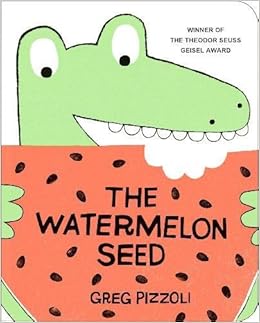
After we were all calm and ready to listen to another book, I read The Watermelon Seed by Greg Pizzoli. This is a hilarious story of a crocodile who loves watermelon, until he swallows a seed and starts getting worried about what will happen. It's short, funny, and the kids love guessing whether he will have a watermelon growing in his belly by the end. 


Image result for book watermelon seed


This book is pretty short, so we had time for two more movement songs before saying goodbye to our friends. I decided to go with two of what I consider storytime classics: "Clap Your Hands" and "The Goldfish."

Click here for my version of "Clap Your Hands."