Since I have not been keeping up with entries about my teen book club since I started it in the summer, I figured I would do a 2017 wrap up and then start monthly entries about it in 2018 as meetings happen.
Reception about this program has been varied, because the type of highly-motivated teens that a book club tends to attract are also super busy with other extracurricular activities. During the summer, a lot of our teen volunteers were very involved, but that dropped off in September when everyone went back to school. I still have exactly one very involved member, who has been doing their best to talk it up at school and their other activities. For the moment, however, I am just working on getting the word out and recruiting more teen readers.
January will be a planning meeting where I'm asking the kids what they would like to read. I am trying to lure them with pizza, so we'll see if I get any new members.......
In the meantime, here are the books we read in 2017 along with Goodreads links, why they fall into the category of diverse books, and a short review.
September: If You Could Be Mine by Sara Farizan
I fell in complete love with this book. Farizan does an amazing job of explaining the difference between being gay and being trans to readers that might not understand it, without breaking out of the character's voice. The ending was heartbreaking, but also exactly what I hoped would happen.
It's diverse because: Iranian culture, LGBTQ+ themes (lesbian and trans)

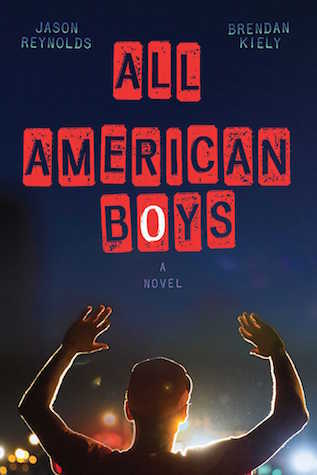
I actually originally read this book for a class in grad school about YA literature. It's very timely because it talks a lot about a Black Lives Matter-esque movement without actually using the name of the real-life movement. Alternating between the POVs of two teen boys, one white and one black, we get to see all sides of a story dealing with police brutality.
It's diverse because: Racial issues and teaching tolerance
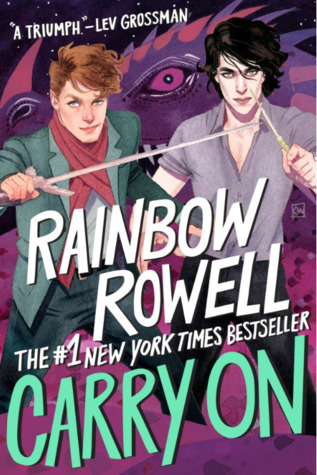
November: Carry On by Rainbow Rowell
I have to say, I am not usually a fan of fantasy, but I loved this book! It's like the Harry Potter universe, except the kids sometimes drink, curse, and have sex. The spells are also much more modern, and it explores the idea of magic being a concrete substance that you can own, spend, and run out of. Also, Rowell does an amazing job of writing in British voices across all six or seven narrators, even though she herself is American. Halfway through reading I found out that it is actually the book from Rowell's other novel, Fangirl, and was written after Fangirl was published and popular. Now I have to read that one as well!
It's diverse because: British culture, LGBTQ+ themes (gay)
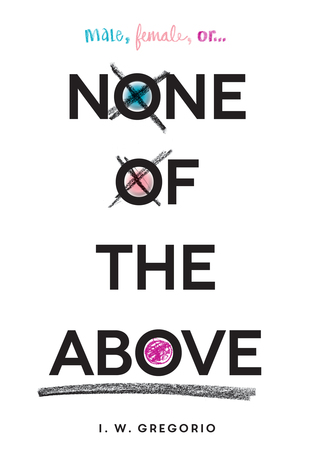
December: None of the Above by I. W. Gregorio
I read this book last year and did not have a chance to re-read it before our December meeting, but I still remembered it well enough to have a conversation about it with the one member who showed up. I like it because it is written by a doctor who specializes in Intersex patients, so all the medical facts are correct. Gregorio also does a great job of capturing all the characters' emotions, especially the main character's. What I dislike about this book is the utter cliche that is Kristin's high school life. She's a pretty, popular athlete who desperately wants to win Homecoming Queen and have sex with her boyfriend, and then it all comes crashing down when she finds out that what has been masquerading inside her as ovaries are actually testicles. The only downside to the diagnosis as far as I can tell is not being able to have biological children, if you wanted them. Otherwise, the devastation Kristin experiences and the merciless bullying her schoolmates subject her to when they find out seems incredibly dramatic and over the top. The best character is the mentor she finds through an Intersex support group, a self-assured lesbian who helps her understand her condition and develop a new outlook on life. But, it's a worthwhile read and a great example for teens of how to accept yourself no matter what curve balls life throws at you.
It's diverse because: LGBTQ+ themes (intersex)


No comments:
Post a Comment